Roof Vents: 7 Types and Proper Ventilation Tips
Homeowners often research roof vents when trying to improve airflow, reduce heat buildup, and protect their roofing system from moisture damage. Proper ventilation plays a critical role in maintaining a healthy attic environment and extending the lifespan of roofing materials. In Norman, OK, where high temperatures and humidity are common, having the right ventilation system helps prevent long-term structural issues and improves overall energy efficiency. Without proper airflow, even newer roofing systems can experience premature wear and reduced performance.
Before diving into vent types and strategies, here are key ideas to understand about roof ventilation:
- Airflow balance: Intake and exhaust vents must work together.
- Heat control: Ventilation reduces attic heat buildup.
- Moisture management: Prevents condensation and mold growth.
- System longevity: Proper airflow supports longer roof life.
We’re proud to serve home and business owners in Norman, OK, and nearby communities with roof ventilation solutions and more.
Key Takeaways
- Oklahoma House Bill 1940 introduces new roof damage repair rules that affect how insurance claims and repairs are handled after property damage.
- Homeowners may face changes in who is responsible for repairs, depending on the nature of the damage and the wording of their insurance policy.
- It’s more important than ever to review your homeowner’s insurance policy and understand how HB 1940 could impact future claims.
- Working with licensed, experienced roofing contractors is crucial to ensure compliance with the new law and avoid denied claims.
- 5Coat Roofing & Construction is here to help you navigate these changes with confidence and protect your home investment.
Why Roof Ventilation Matters
A properly ventilated roofing system helps regulate temperature and moisture levels inside the attic. Without ventilation, heat and humidity can build up, causing damage to insulation, decking, and shingles. Over time, poor ventilation can lead to higher energy bills, reduced indoor comfort, and premature material failure that requires costly repairs or early replacement.
Heat Buildup and Energy Impact
When hot air becomes trapped in the attic, it raises indoor temperatures and forces cooling systems to work harder. Proper ventilation allows heat to escape, improving comfort and reducing energy strain. This is especially important during Oklahoma summers when attic temperatures can rise significantly.
Moisture and Structural Concerns
Moisture buildup can lead to mold growth, wood rot, and weakened structural components. Ventilation allows damp air to exit before it causes damage. Over time, controlling moisture also helps preserve insulation performance and prevents hidden structural deterioration.
7 Types of Roof Vents
Different vent types serve different purposes, but all contribute to a balanced ventilation system. These seven options are commonly used in residential roofing.
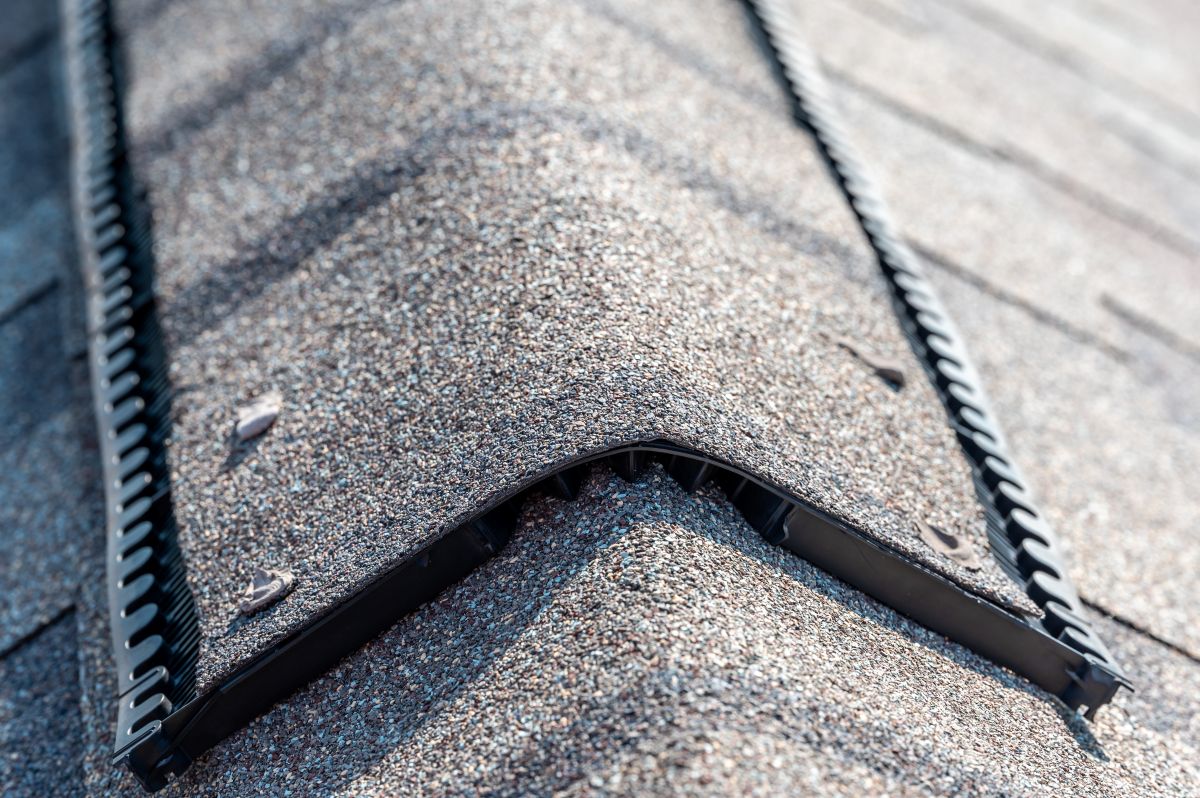
1. Ridge Vents
Ridge vents are installed along the peak of the roof and allow hot air to escape naturally. They work best when paired with intake vents and are often used for whole-roof ventilation systems.
- Continuous airflow: Runs along the entire roof ridge.
- Low visibility: Blends into the roofline.
2. Soffit Vents
Soffit vents are installed under the eaves and allow fresh air to enter the attic. They are essential for proper intake ventilation and help maintain consistent airflow throughout the system.
- Air intake: Pulls cooler air into the system.
- Balanced system: Works with exhaust vents.
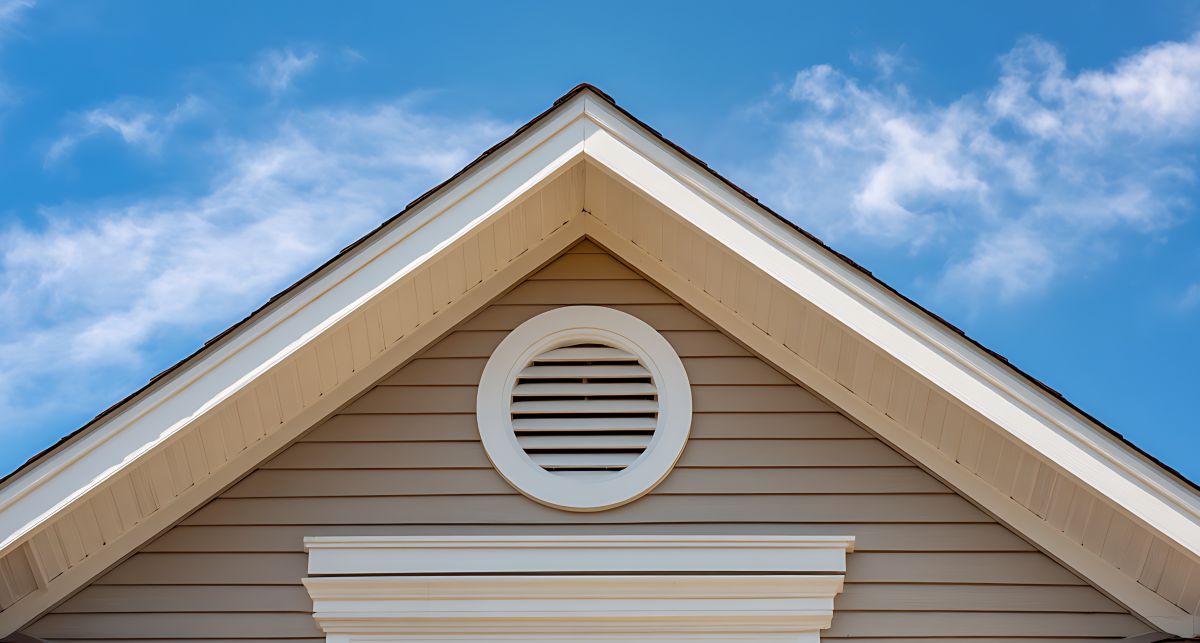
3. Gable Vents
Gable vents are placed on the exterior walls near the roof peak. They allow air to move through the attic horizontally and are often used to supplement other ventilation systems.
- Wall placement: Installed on gable ends.
- Supplemental airflow: Supports other vent types.
4. Box Vents
Box vents are static vents installed on the roof surface. They allow hot air to escape without moving parts and are often used in combination with other vent types.
- Simple design: No mechanical components.
- Spot ventilation: Used in specific areas.
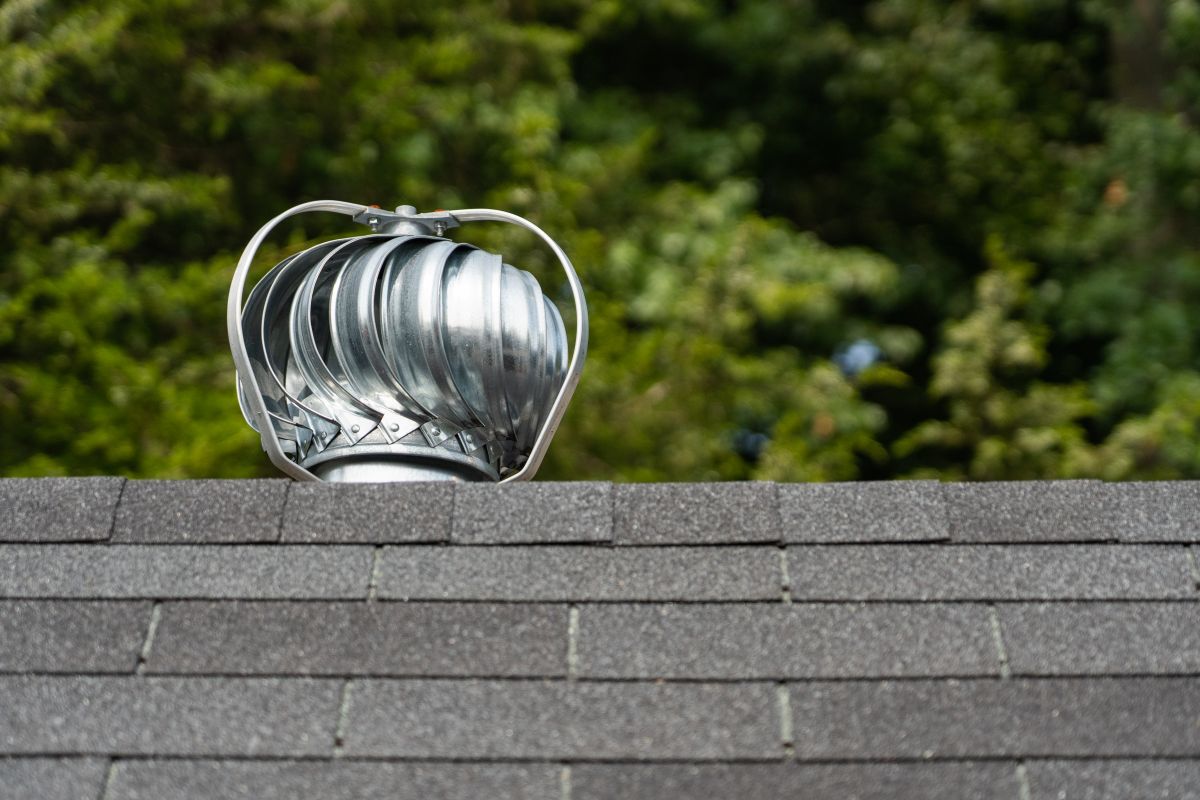
5. Turbine Vents
Turbine vents use wind power to pull hot air out of the attic. As the wind spins the turbine, it improves airflow and helps remove trapped heat.
- Wind-powered: Enhances ventilation naturally.
- Active exhaust: Moves air more effectively.
6. Power Vents
Power vents use electric fans to remove hot air from the attic. They are controlled by thermostats or humidity sensors and provide strong airflow when needed.
- Mechanical airflow: Uses electricity for ventilation.
- Temperature control: Activates automatically.
7. Solar Vents
Solar vents operate similarly to power vents but use solar energy instead of electricity. They provide an energy-efficient option for homeowners looking to improve airflow without increasing utility costs.
- Solar powered: Reduces energy use.
- Efficient operation: Works during peak sunlight hours.
Comparing Common Roof Vent Types
Corrugated airflow systems vary depending on vent type, and understanding these differences helps homeowners choose the right solution. Ridge vents and soffit vents typically work together, while powered and solar vents offer additional airflow support when needed.
| Vent Type | Airflow Type | Energy Use | Best Use |
|---|---|---|---|
| Ridge Vent | Passive | None | Whole-roof ventilation |
| Soffit Vent | Intake | None | Air intake support |
| Gable Vent | Passive | None | Supplemental airflow |
| Box Vent | Passive | None | Targeted exhaust |
| Turbine Vent | Wind-powered | None | High-wind areas |
| Power Vent | Active | Electric | Strong airflow needs |
| Solar Vent | Active | Solar | Energy-efficient exhaust |
How to Ensure Proper Roof Ventilation
Proper ventilation depends on balancing intake and exhaust while considering roof design and attic size. A well-designed system improves efficiency, prevents damage, and supports long-term roof performance. Correct installation of vents is just as important as choosing the right type, since poor installation can limit airflow and reduce effectiveness.
Balance Intake and Exhaust
Air must enter and exit the attic at equal rates. Proper installation ensures vents are positioned and sized correctly so airflow remains balanced throughout the system.
- Even airflow: Intake and exhaust should match.
- System efficiency: Balanced airflow improves performance.
Inspect Vent Placement
Vent location impacts how well air moves through the attic. Proper installation and placement help maximize airflow and prevent dead zones where heat and moisture collect.
- Strategic positioning: Place vents where airflow is strongest.
- Avoid obstructions: Keep vents clear of insulation.
Schedule Regular Inspections
Routine inspections help identify blocked vents, airflow issues, or installation problems. Addressing these early ensures the ventilation system continues to perform as intended.
- Seasonal checks: Inspect vents throughout the year.
- Professional review: Ensure system performance.
Common FAQs About Roof Vents
Homeowners often have questions about ventilation performance and installation. Understanding how vents function helps ensure your system supports long-term roof health and energy efficiency.
How many roof vents do I need?
The number depends on attic size and roof design. A professional can calculate proper ventilation ratios.
Can poor ventilation damage my roof?
Yes, trapped heat and moisture can shorten material lifespan and cause structural damage.
Are powered vents better than passive vents?
It depends on the home. Passive systems work well when properly designed, while powered vents offer additional airflow when needed.
Do roof vents help with energy efficiency?
How often should roof vents be inspected?
At least once a year and after major storms to ensure proper function.
Improve Your Roof System With 5Coat Roofing & Construction
Proper ventilation is essential for protecting your home and extending the life of your roofing system. 5Coat Roofing & Construction provides expert ventilation solutions for homeowners in Norman, OK. Our team evaluates your attic airflow, recommends the right vent types, and ensures proper installation for long-term performance.
If you’re looking to improve airflow and protect your home, contact 5Coat Roofing & Construction today to schedule your consultation.
5Coat Roofing & Construction
Owner-Operated Roofing & Exterior Services
Service Area
Oklahoma City & Surrounding Communities
(405) 992-2194
bryan@5coatroofs.com
Business Hours
Monday – Friday: 8:00 AM – 8:00 PM
Saturday: 8:00 AM – 8:00 PM
Sunday: Closed
SERVICE AREAS
Need Roofing Help Now?
TRUST & CREDENTIALS
✔ Licensed & Insured Roofing Contractor — State License #800006817
✔ GAF Certified Plus Contractor
✔ Owner-Operated & Locally Owned
✔ Insurance Claim Support Specialists
✔ Drone & Advanced Roof Inspection Technology
✔ No Change Order Pricing Guarantee
✔ GAF Silver Pledge 10-Year Workmanship Warranty