Many homeowners researching metal roof installation want to understand the process, the benefits, and what to consider before choosing metal roofing for their house. Metal roofs are known for their durability, energy efficiency, and long-term value. In Norman, OK, they are especially useful because they hold up well under strong winds and hail. Understanding how installation works helps you make confident decisions and ensures your entire roof performs the way it should.
Before exploring each installation step, here are a few important points to know:
- Panel structure: Metal roofing panels interlock for continuous protection.
- Thermal performance: Metal reflects heat and supports energy control.
- Installation precision: Accuracy affects longevity and weather resistance.
- System compatibility: Underlayment and flashing influence performance.
We’re proud to serve home and business owners in Norman, OK, and nearby communities with metal roof installation, inspections, and more.
Why Choose Metal Roofing for Your Home
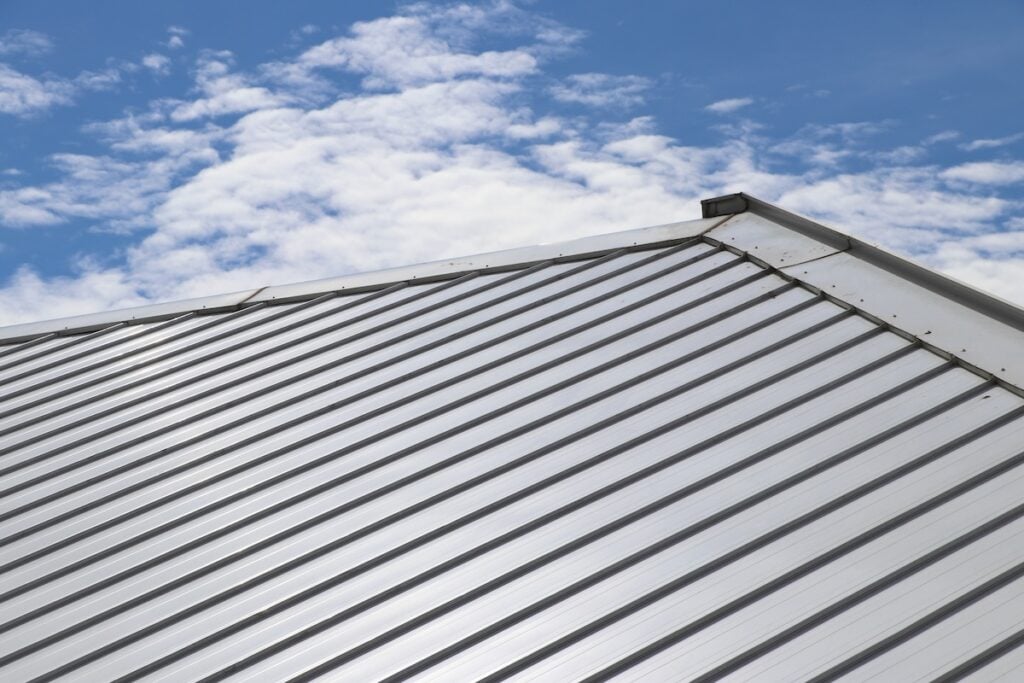
Metal roofing offers advantages beyond longevity. It is lightweight, fire resistant, and adaptable to many architectural styles. Homeowners who want a long-term solution appreciate that metal requires less upkeep than traditional shingles. Metal also provides excellent protection during severe storms, which makes it a reliable choice in Oklahoma.
Long-Term Durability
Metal roofs commonly last several decades longer than standard shingles. They resist cracking, warping, and granule loss, even after years of exposure. Many homeowners choose metal roofing during a replacement because they want a roof that will last significantly longer than existing shingles.
Energy Efficiency
Metal reflects sunlight rather than absorbing it, which can help maintain cooler indoor temperatures during peak summer months.
9 Steps for a Successful Metal Roof Installation
Metal roofing requires careful planning and precise execution. These nine steps outline how the process typically works and why each stage matters for a new roof installation project.
1. Roof Inspection
A detailed inspection evaluates the strength and condition of the roof deck before installation begins. Installers look for rot, moisture damage, or structural weaknesses that could affect performance. Repairing these issues ensures the new roof has a strong foundation.
- Deck stability: Checks for rot or soft spots.
- Moisture review: Identifies areas needing repair.
2. Material Selection
Choosing the correct metal panel, coating, thickness, and color determines the roof’s durability and appearance. Homeowners should also consider how the material will perform in local weather conditions. Each option affects longevity and maintenance requirements.
- Panel style: Standing seam or metal shingles.
- Finish options: Choose coatings that resist fading.
3. Old Roof Removal
Removing existing shingles exposes the bare deck and allows installers to identify hidden issues. Tear-off ensures repairs are completed before installing the metal system. This step improves roof quality and eliminates the risk of covering damaged materials.
- Full tear-off: Ensures hidden damage is visible.
- Cleanup prep: Creates a safe work area.
4. Deck Preparation
The roof deck is inspected again and repaired as needed to ensure a smooth, stable working surface. Any soft or uneven areas are reinforced to prevent future problems. A clean deck allows underlayment to adhere correctly.
- Structural fixes: Reinforces weak areas.
- Surface smoothing: Prepares for underlayment.
5. Underlayment Installation
Underlayment serves as an important moisture barrier beneath the entire roof surface. It protects the deck during storms and helps regulate heat transfer. Proper underlayment installation is crucial for leak prevention and energy performance.
- Moisture barrier: Shields the deck.
- Heat resistance: Supports energy performance.
6. Starter Strip Placement
Starter strips provide a straight, secure point for the first metal panel to attach. They guide alignment and improve wind resistance along the lower eave. Correct spacing, often within one inch, ensures smooth panel installation and long-term stability.
- Straight foundation: Ensures accurate placement.
- Wind resistance: Secures lower panel edges.
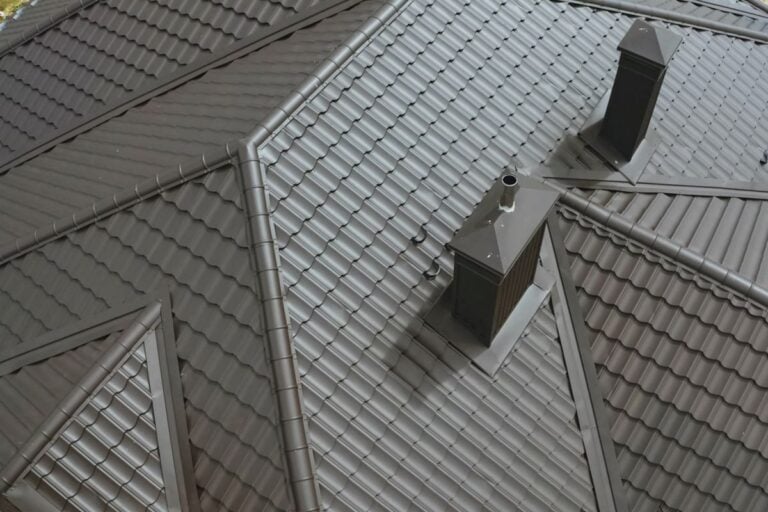
7. Panel Installation
Metal panels are attached with specific fasteners to secure them to the deck. Installers must maintain proper spacing and overlap to keep the system watertight. Precision during installing each panel affects the overall appearance and performance of the roof.
- Proper fasteners: Ensures secure attachment.
- Overlap accuracy: Helps block wind and rain.
8. Flashing Application
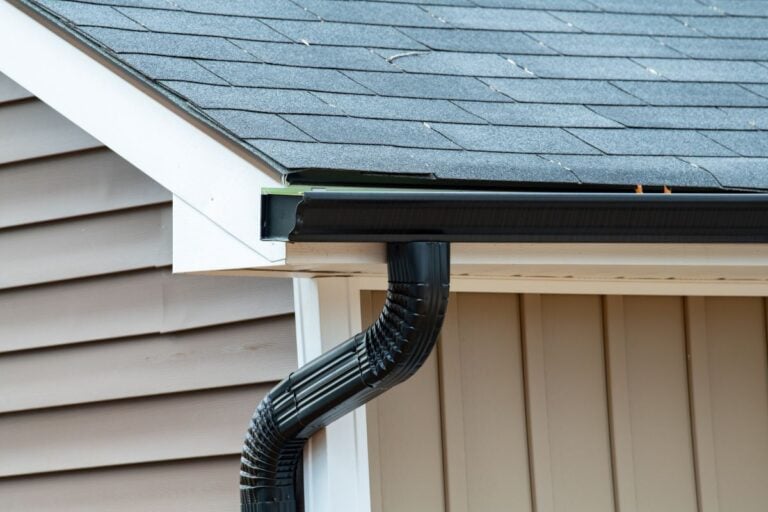
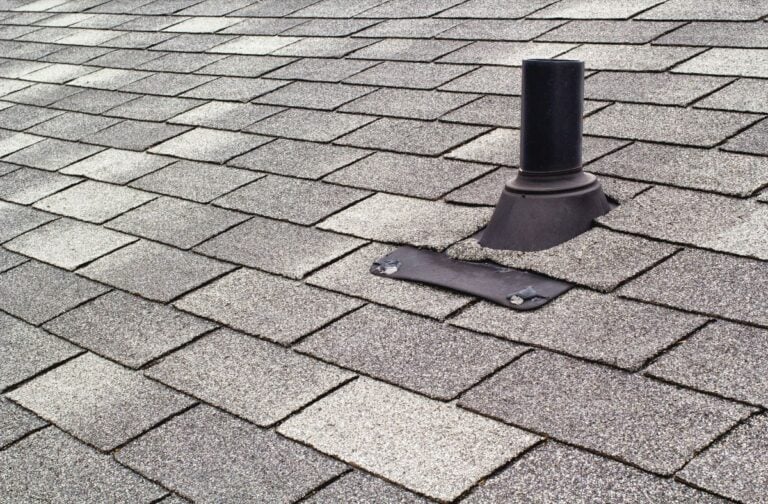
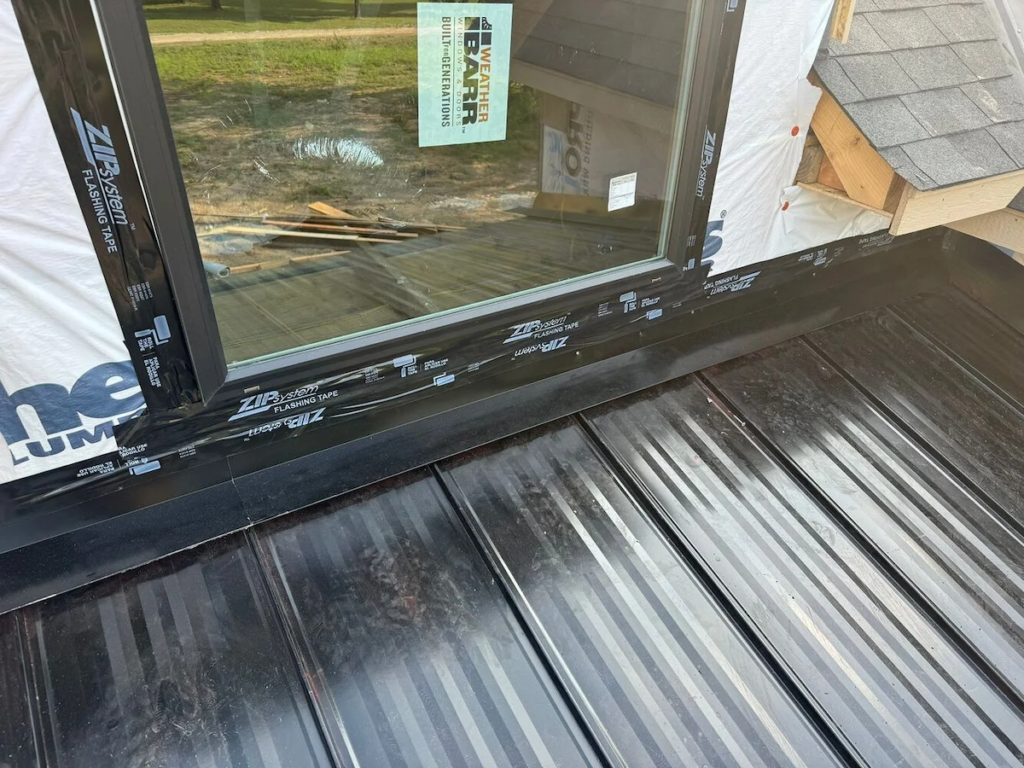
Flashing is installed at joints, roof transitions, and areas that typically collect water. These sections include chimneys, skylights, valleys, and the eave trim. Flashing is critical for preventing leaks and protecting roof edges.
- Water control: Stops leaks at transitions.
- Weather defense: Protects vulnerable areas.
9. Final Inspection
Installers complete a thorough inspection to confirm that fasteners, seams, edges, and trim pieces are secure. This step includes reviewing flashing, ridge cap alignment, and panel consistency across the entire roof. Correcting small details now helps prevent long-term issues and reduces the likelihood of future replacement needs.
- Fastener review: Confirms proper placement.
- Panel alignment: Ensures consistent appearance.
Pro Tips for Homeowners Considering Metal Roofing
These tips help homeowners get the most value and performance from a metal roof installation.
- Material choice: Select panels that complement your home’s architectural style.
- Insulation needs: Consider adding attic insulation to reduce noise.
- Warranty review: Understand material, finish, and structural warranties.
- Color selection: Choose reflective finishes for improved efficiency.
- Edge details: Ask about eave trim and ridge cap options for better protection.
Common FAQs About Metal Roofing
Homeowners often have questions before choosing a metal roof, and clear answers help guide strong decisions. These insights provide a better understanding of metal roofing performance, installation expectations, and long-term value.
How long does a metal roof last?
Metal roofing can last forty to seventy years depending on installation quality, maintenance, and material grade. Its longevity makes it a strong investment for homeowners planning a long-term project or replacement.
Is metal roofing louder during storms?
It can be if insulation is inadequate, but most modern attic insulation reduces sound significantly. Many homeowners report that noise levels are similar to shingles once insulation is upgraded.
Can a metal roof be installed over my existing roof?
Sometimes, but it depends on building code, condition of existing shingles, and weight limits. Many contractors prefer removal so they can evaluate the deck and ensure a clean surface for installing a new roof.
Will a metal roof rust?
Modern metal roofing uses protective coatings designed to resist corrosion. Regular inspections help ensure flashing, fasteners, and coatings remain in good condition for decades.
Does metal roofing require special maintenance?
Metal roofs need minimal maintenance besides annual inspections, clearing debris, and confirming that fasteners and flashing remain secure. Routine care helps extend the lifespan of the entire roof system.
Upgrade Your Home With 5Coat Roofing & Construction
A metal roof adds strength, style, and lasting protection to your Norman, OK home. 5Coat Roofing & Construction provides professional metal roof installation designed for long-term performance. Our team focuses on careful craftsmanship, dependable materials, and clear communication throughout your project.
If you’re ready to upgrade to a new roof that offers exceptional durability and efficiency, contact 5Coat Roofing & Construction today to schedule your consultation.